How does bipolar disorder actually accelerate aging? And what can you start doing today to slow the aging process down?
Psychiatrist and researcher Dr. Paula Villela Nunes explores the rarely discussed science behind bipolar disorder and accelerated aging, including the role of stress, inflammation, lifestyle, cardiovascular health, telomeres, and increased risk for dementia. She breaks down the hopeful side of the research on how you can take to protect long-term brain health.
0:00 Does Bipolar Disorder Make You Age Faster?
0:38 Genetics vs Lifestyle Stress
1:08 The Science of Telomeres
2:09 How to Slow Bipolar Aging
2:47 Do Bipolar Medications Speed Up Aging?
3:18 Dementia & Lithium
Additional readings on aging and bipolar disorder:
- ISBD Guide for Older Adults with Bipolar Disorder
- “Telomere Length and Bipolar Disorder” study (2017)
- ”Does bipolar disorder accelerate cellular aging?” meta-analysis of telomere length (2025)
- “The spectrum of bipolar disorder in older adults” review (2026)
- “Lifestyle and psychotherapy interventions for older adults with bipolar disorder” review (2026)
Bipolar Explained is a new #talkBD series spotlighting expert perspectives on the history, biology, and management of bipolar disorder.
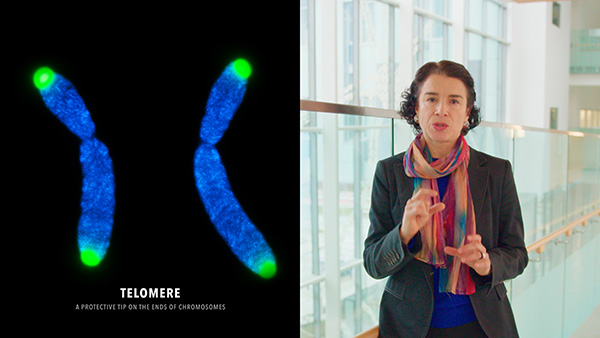
Dr. Paula Villela Nunes is a psychiatrist, psychotherapist, and researcher whose work focuses on bipolar disorder, aging, and mental health care across the lifespan. Originally from Brazil, she earned her MD and PhD from the University of São Paulo and has worked clinically and academically in both Brazil and Canada. She is currently based in Vancouver, where she works as a researcher at the University of British Columbia.
Dr. Nunes has a special interest in aging and bipolar disorder, cognitive health, psychotherapy, and non-pharmacological approaches to recovery and wellness. She is a member of the International Society for Bipolar Disorders (ISBD) and serves as chair of the ISBD Older Age Bipolar Disorder Task Force.
Her work also explores the role of families and care partners in supporting people living with bipolar disorder, alongside broader efforts to improve mental health awareness and reduce stigma in the community.
Related Posts
Why does bipolar disorder take years, or sometimes decades to diagnose accurately? And what if artificial intelligence could change that? AI researcher and mood disorder…
The Biggest Bipolar Disorder Event on the Internet For over 48 hours on Monday, March 30th 2026, the CREST.BD network will host the 8th annual…



 Back to Blog
Leave a Reply